
Rules proposed for ‘renowned’ dive site
New draft rules forbidding removal of tropical marine life from the Blue Heron Bridge diving site at Riviera Beach will be presented to Florida’s Fish and Wildlife Conservation (FWC) Commission this month.
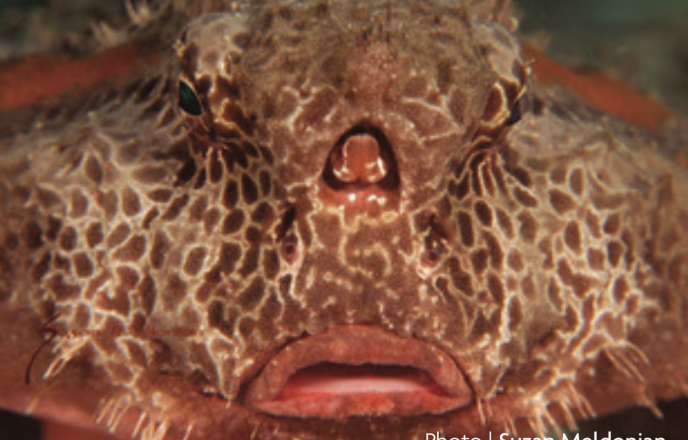
The waters of Blue Heron Bridge and Phil Foster Park attract a stunning variety of tropical marine life and — because of easy accessibility from shore — widespread fame. That in turn attracts lots of divers and snorkelers, including collectors.
Once the draft rule evolves to a final rule, collectors will have to quit collecting there.
“Members of the dive community and local officials have raised concerns that the collection of tropical aquarium species from waters around the Blue Heron Bridge negatively impacts the quality of this world-renowned dive site,” the Commission’s agenda says.
“Staff will present a proposed draft rule amendment that would conserve this unique and valuable snorkeling and diving experience by prohibiting all collection of Marine Life at the Blue Heron Bridge dive site.”
About 400 species of tropical marine life are believed to use the site as habitat.
Palm Beach County tries to limit collecting by disallowing commercial activity in Foster Park, but that doesn’t prevent anyone from going to the site by boat and taking tropical fish, nudibranchs and other marine life.
In fact, the state allows it, even to the extent of issuing commercial permits. For example, an amusement park in Galveston, Tex., had a FWC permit to take 4,000 tropical fish from Florida. Palm Beach County, local divers and others protested when they started taking them from Blue Heron. The permit was amended to exclude that.
Excellent closeup pix by Suzan Meldonian, can be viewed online at: www.uwphotographyguide.com/macro-photography-blue-heron-bridge.
FWC to set rules regarding shark fishing
The public uproar last spring and summer over unseemly displays of cruelty by shoreline shark fishing-doers is about to bear regulatory fruit. On Dec. 12 The FWC will be given a draft rule that it ordered in response to public complaints and suggestions.
Three weeks into November the draft wasn’t ready for public posting, but we know the FWC staff has been kicking around ideas for requirements such as these: Permits (probably free), lessons in species identification and the safe and humane handling of sharks, restrictions on chumming from shore, separating shark-fishing zones from bathing beaches and restricting shark fishing to after dark in order to avoid frightening bathers, limitations on tournaments and mandating circle hooks and specialized release gear.
Park fees waived for 5 days
Entrance fees will be waived at Everglades and Dry Tortugas National Parks on five days in 2019. They include:
• Monday, Jan. 21, Martin Luther King, Jr. Day
• Saturday, April 20, First Day of National Park Week/National Junior Ranger Day
• Sunday, Aug. 25, National Park Service Anniversary
• Saturday, Sept. 28, National Public Lands Day
• Monday, Nov. 11, Veterans Day
• Entrance fees for Everglades are $25 for a private vehicle, $20 for a motorcycle and $8 for a pedestrian or a bicycle, all at the entry gate south of Florida City. There is no fee at Everglades City/Chokoloskee. Each fee covers up to seven days in the park for a single visit. If you’re 15 or younger, it’s free. An annual pass for Everglades costs $40. Fees for camping, canoe and kayak rentals, boat tours and other amenities provided by the park concessionaire are not waived.
• Dry Tortugas, accessible only by sea or air, charges $15 per person, also exempting visitors younger than 16.
• Biscayne National Park and Big Cypress National Preserve have no fees.